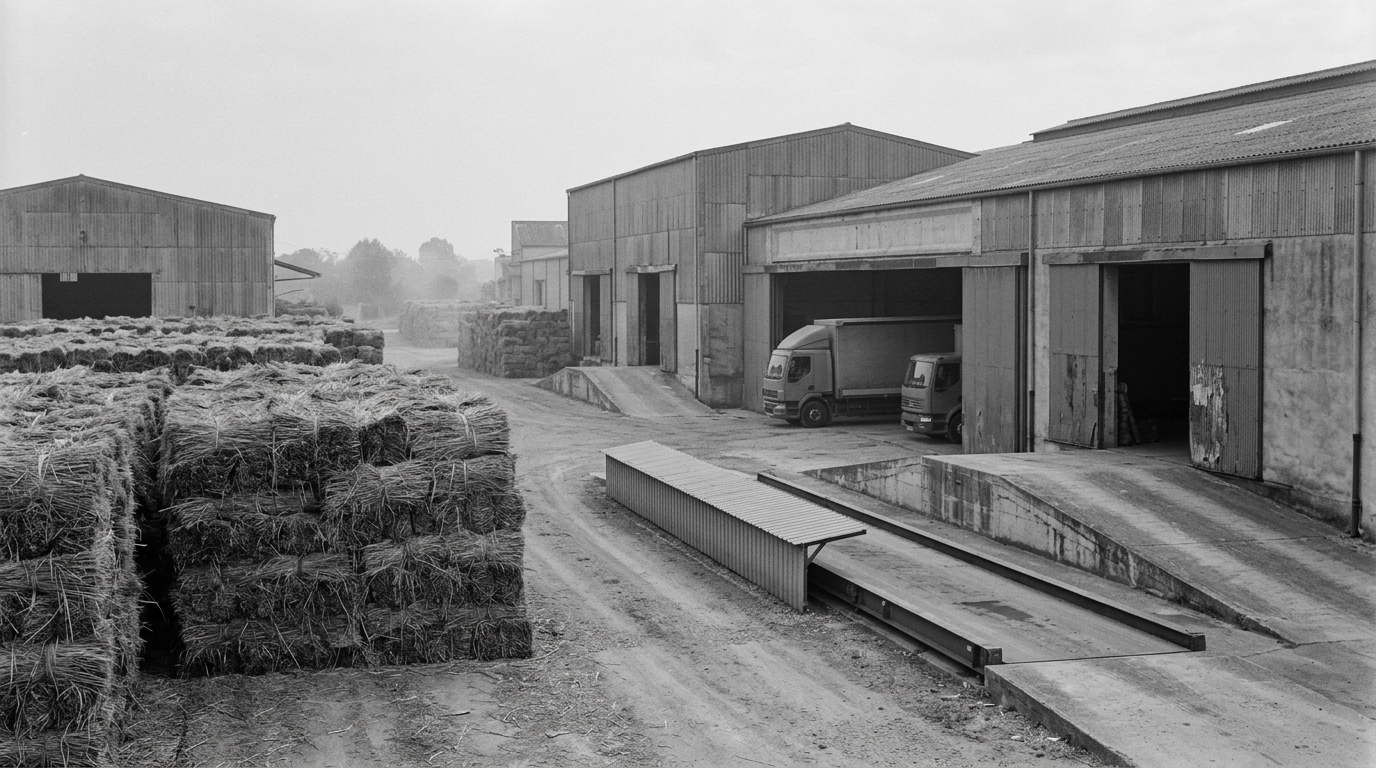
From growing areas to the factory gate: the real challenge of industrial bamboo supply
Growing area only indicates biological potential. It does not guarantee that bamboo will reach a factory on time, in the right condition, and to a defined specification. An industrial supply system exists only when collection, logistics, intake standards, traceability, and purchasing discipline operate as one network.
Growing area only indicates biological potential. It does not guarantee that bamboo will reach a factory on time, in the right condition, and to a defined specification. An industrial supply system exists only when collection, logistics, intake standards, traceability, and purchasing discipline operate as one network.
Business customers cannot assess a new material from a sustainability story alone. They need a clear product data sheet, representative testing, repeatable quality, processing guidance, and explicit application limits backed by evidence that can be checked.
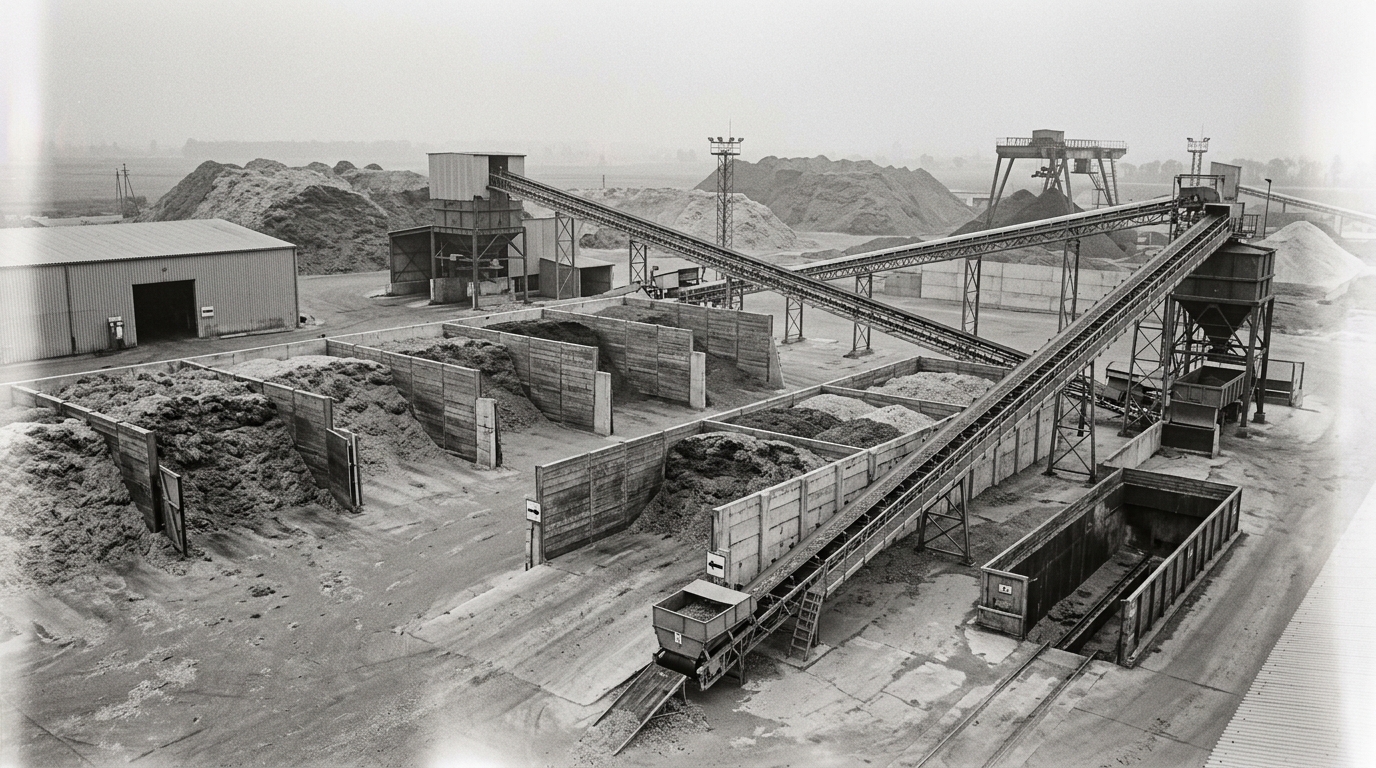
Design capacity describes what a line may achieve under assumed conditions; it is not proven commercial output. Real capability appears only when equipment, feedstock, people, quality control, and operating data stabilize together.
A materials system does not need to rush into carbon claims, but it does need clear measurement boundaries, data sources, and accountable owners. Feedstock, energy, water, chemicals, waste, logistics, safety, and traceability form the base for any later statement.
A green narrative becomes reviewable only when feedstock risk, operating capability, market demand, cash flow, and ESG data are presented consistently. Carbon value, if any, is an additional possibility rather than a default source of cash.
4 min readFrom feedstock to trust
ANALYSIS SERIES
Two analysis series organized as sequences of reasoning rather than chronological categories.
01
Analysis series I
From feedstock to trust
Five foundational capabilities linking feedstock systems, product evidence, operations, ESG data, and due-diligence readiness.
 Independent analysis of bamboo materials and the systems around them.